Be Summer Safe: Essential First Aid & Safety Tips for the Warmer Months
Summer is a time for holidays, beach days and outdoor adventures—but it also brings increased risks. From heatwaves and bushfires to water and flood hazards, emergencies can escalate quickly during the warmer months.
Safety starts with knowing what to do.
Understanding how to respond, having the right first aid knowledge, and knowing when to call for help can save lives.
This guide shares practical summer first aid safety tips for Australian families, covering beach safety, heat illness, floods, snake bites and common seasonal emergencies.
Beach Safety: Respect the Water
Australia’s beaches are beautiful—but the surf can be unpredictable.
- Learn about rips, currents and wave conditions before heading in at beachsafe.org.au
- Always swim between the red and yellow flags where lifeguards are on patrol
- Actively supervise children at all times when they are in or near water:
- Keep your eyes on your child at all times
- Stay within arm’s reach
- Be ready to enter the water immediately in an emergency
After heavy rain, pollution can wash into bays and waterways, making them unsafe for swimming. Always check epa.vic.gov.au for water quality updates before you swim.
Home Pools & Spas: No Shortcuts on Safety
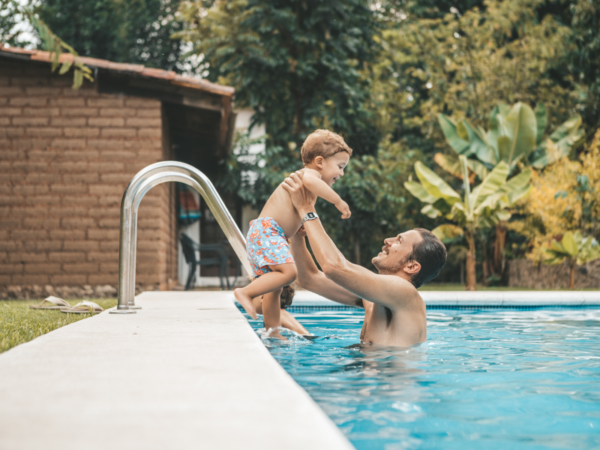
Drowning risks increase around home pools and spas—especially during summer.
- Ensure your pool or spa fence is compliant, secure and never propped open
- Check gates and latches regularly to ensure they self-close properly
- Empty inflatable and paddling pools immediately after use
- Encourage and support children to learn how to swim as early as possible
Even shallow water can be dangerous—constant supervision of children around water is essential.
Flood Safety: Don’t Take the Risk
Floodwaters are unpredictable, contaminated and can be extremely dangerous.
- Never drive, walk, surf or swim in floodwaters
- Do not allow children to play in or near flooded areas
- Where possible, wear a life jacket when in or around flood-affected environments
If You Become Trapped in Floodwater. Call 000 immediately and wait for emergency services.
- Move to the highest safe location available
- Avoid fast-moving water and debris
- Stay with your vehicle if it is safe to do so
Flood conditions can change rapidly—prioritise your safety and wait for help.
Beat the Heat: Prevent Heat Illness
High temperatures can lead to heat cramps, heat exhaustion and heatstroke.
Those most at risk include:
- Young children
- Older adults
- People with medical conditions
To stay safe:
- Drink plenty of water throughout the day
- Take breaks in cool or shaded areas
- Never leave children or pets in a parked car—even for a moment
- Plan outdoor activities during cooler parts of the day
Prevention, early recognition and action can prevent serious illness and life-threatening situations.
Bushfire Safety: Plan Before You Go
If you’re travelling or holidaying in a bushfire-prone area, preparation is essential.
- Check the local fire risk level
- Have a holiday bushfire plan in place
- Stay informed about warnings and changing conditions
For trusted, up-to-date information on Australian bushfires and emergencies, visit www.nema.gov.au
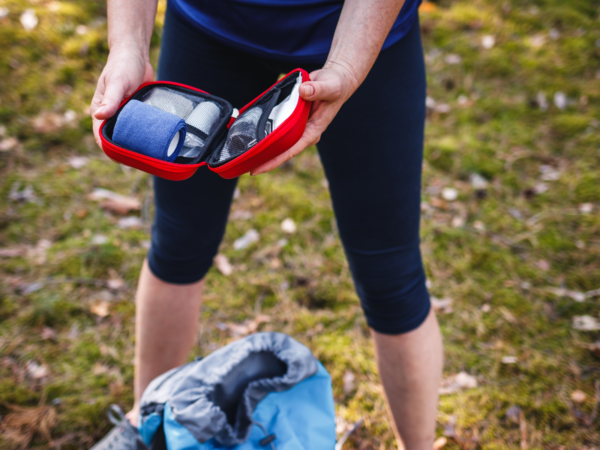
First Aid for Common Summer Incidents
From kitchen burns to beachside stings, accidents can happen anytime—often when we least expect them.
Quick first aid responses:
- Burns: Cool the affected area under cool running water for 20 minutes. Cover with a non-adherent dressing and seek medical attention. Never use ice, creams or butter.
- Cuts and grazes: Apply pressure to stop any bleeding, clean area with saline (or clean water or non-alcohol wound wipe) and cover with a non-adherent dressing. Monitor for signs of infection and seek medical attention as needed.
- Stings and bites: Remove the sting, apply a cold pack, and monitor for signs of an allergic reaction.
Jellyfish and Bluebottle Stings
Jellyfish and bluebottle stings are common during warmer months, particularly at the beach.
What to do for a bluebottle (Portuguese Man o’ War) sting:
- Rinse the affected area with seawater (not fresh water)
- Carefully remove any visible tentacles using fingers, tweezers or a stick
- Apply hot water immersion (as hot as can be tolerated, not scalding) for 20 minutes
- If hot water isn’t available, apply a cold pack for pain relief
Do not rub the area or use vinegar, alcohol, urine or fresh water on bluebottle stings.
Call 000 immediately if there is difficulty breathing, chest pain, collapse, severe pain, or signs of an allergic reaction.
Snake Safety: Prevention & First Aid
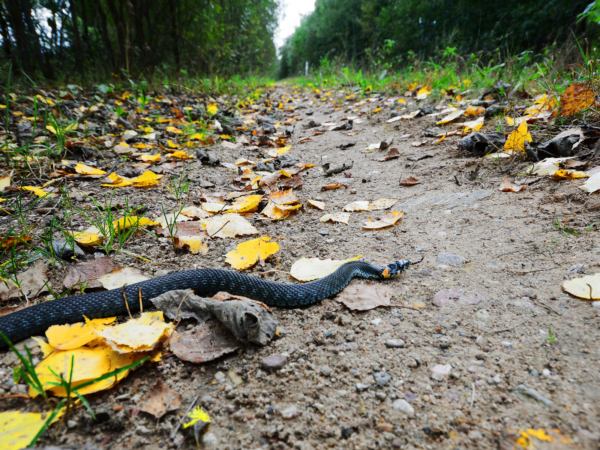
Snake encounters are more common during warmer months, particularly when walking, camping, gardening or spending time in bushland.
Snake Bite Prevention Tips
- Wear closed shoes and long pants in bush or long grass
- Stick to clear paths and tracks
- Avoid tall grass, leaf litter and rock piles
- Never touch, catch or kill a snake
- Keep yards tidy—remove debris, wood piles and long grass
- Supervise children and pets closely when outdoors
If you see a snake, stay calm, keep your distance and move away slowly.
What to Do If Someone Is Bitten by a Snake
Snake bites are a medical emergency.
- Call 000 immediately
- Keep the person still and calm
- Apply a pressure immobilisation bandage over the bite and up the limb
- Immobilise the limb with a splint if possible
Do not wash the bite area, cut the bite, suck venom, apply a tourniquet or attempt to catch the snake!
Road Trip Ready: Summer Travel Safety
If you’re heading away this summer, make safety part of your packing list.
Before you hit the road:
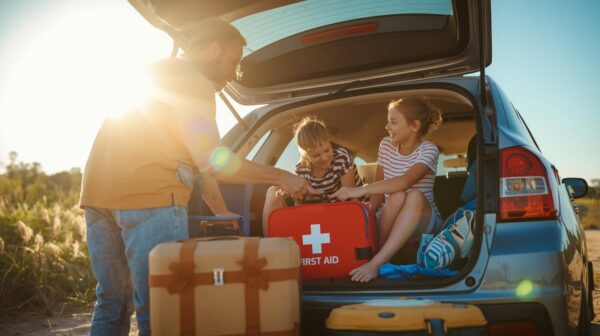
- Check your vehicle first aid kit is stocked and replace out-of-date items
- Pack sunscreen, insect repellent and plenty of water
- Take regular breaks when driving (every 2 hours) to reduce fatigue
- Share your route and estimated arrival time with a friend or family member
A well-prepared first aid kit could make all the difference if something unexpected happens on the road.
Ready for a Safer Summer?
Summer Safety Checklist
✔ First aid kit stocked and easy to access
✔ First Aid and CPR training up to date
✔ Check water quality before swimming
✔ Swim at patrolled beaches and between the flags
✔ Sunscreen and hydration plan in place
✔ Emergency contacts saved and current
✔ Holiday bushfire plan prepared (especially if travelling or staying regionally)
💚 Safety First. Wellbeing Always — because safety starts with knowing what to do.
- Book First Aid & CPR training (onsite, online and across Victoria): https://remedyfirstaidtraining.com.au/public-sessions/
- Shop trusted First Aid kits and defibrillators: https://remedyfirstaidtraining.com.au/first-aid-kits/
Be Summer Safe: Essential First Aid & Safety Tips for the Warmer Months