Creating a Healthy Psychosocial Working Environment
Safe Minds and Bodies: A Healthier Workplace
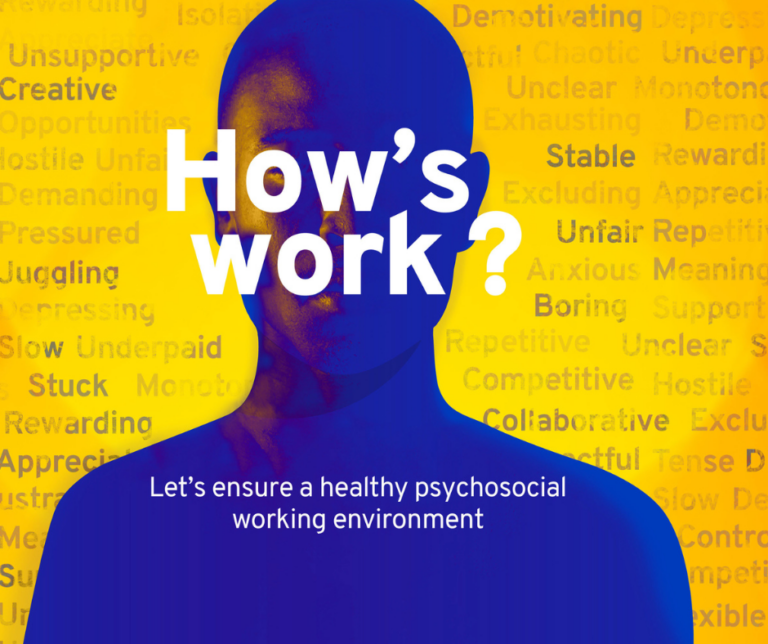
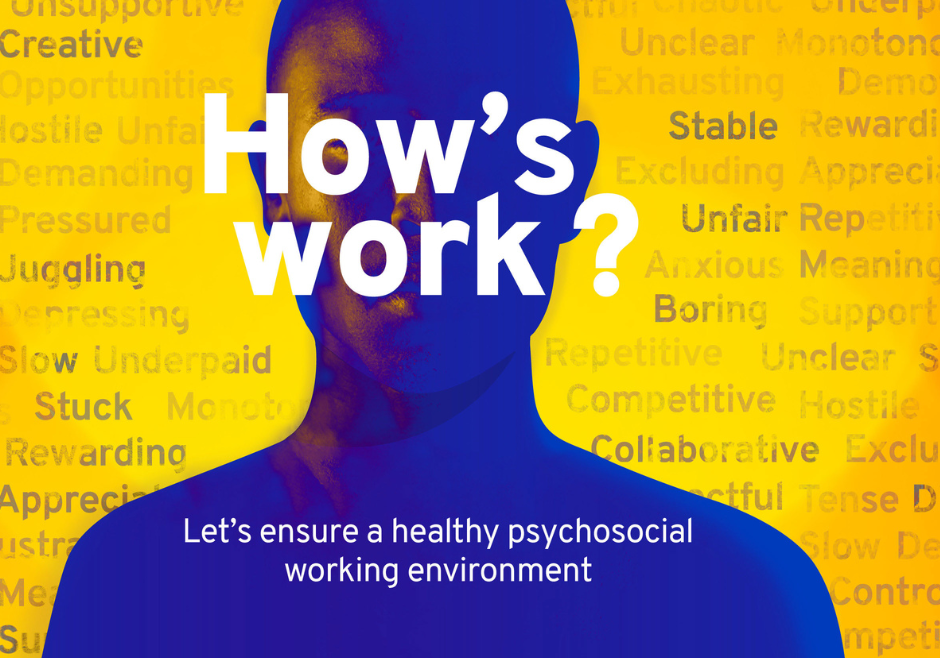
Every year on April 28, organisations around the globe observe World Day for Safety & Health at Work. This year, the spotlight falls on a critical theme: “Ensuring a Healthy Psychosocial Working Environment.”
While physical safety remains a top priority, true workplace health extends far beyond preventing slips, trips, and falls. It involves protecting the minds and emotional wellbeing of every team member. A healthy psychosocial environment means your staff feel safe, supported, and valued.
This post will explore how you can assess both physical and psychological hazards in your workplace. You will also learn why investing in physical First Aid, CPR and Mental Health First Aid training contributes to a strong defence against these workplace risks.
Understanding Psychosocial Hazards
Most people can easily spot physical hazards. A broken railing or a frayed electrical cord stands out. Psychosocial hazards hide beneath the surface. These hazards involve how work is designed, organised, and managed. They also include the social context of work.
Common psychosocial hazards include:
- Unmanageable workloads and tight deadlines
- Lack of role clarity
- Poor support from management or colleagues
- Workplace bullying, harassment, or discrimination
- Exposure to traumatic events
When you leave these hazards unaddressed, they cause severe stress. Over time, this stress leads to burnout, anxiety, depression, and even physical illness. Recognising these risks is the first step toward building a healthier, more resilient workforce.
Actionable Steps to a Holistically Safe Workplace
Assessing Physical and Psychological Hazards
You cannot fix a problem you do not understand. To create a safer environment, you must conduct regular, thorough hazard assessments. This process requires open communication and a willingness to listen to your team.
Conduct Regular Risk Audits
Walk through your workspace and look for physical dangers. Check your first aid kits, review emergency exit routes, and ensure all machinery operates safely. Do not stop there. Send out anonymous surveys to your staff to gauge their stress levels and overall job satisfaction.
Create Open Channels for Feedback
Employees need a safe space to report hazards without fear of punishment. Encourage your team to speak up about both physical dangers and emotional stressors. When workers feel heard, they are more likely to share valuable insights about the daily challenges they face.
Analyse Absenteeism and Turnover
High rates of sick leave and staff turnover often point to deep-rooted psychosocial issues. Look at the data. Are certain departments struggling more than others? Use this information to pinpoint areas that need immediate attention and intervention.
The Role of Comprehensive Training
Assessing hazards is only half the battle. You must also prepare your team to handle emergencies when they arise. Comprehensive training forms the backbone of a safe working environment. This preparation must address both physical injuries and mental health crises.
Equipping Teams with CPR and First Aid
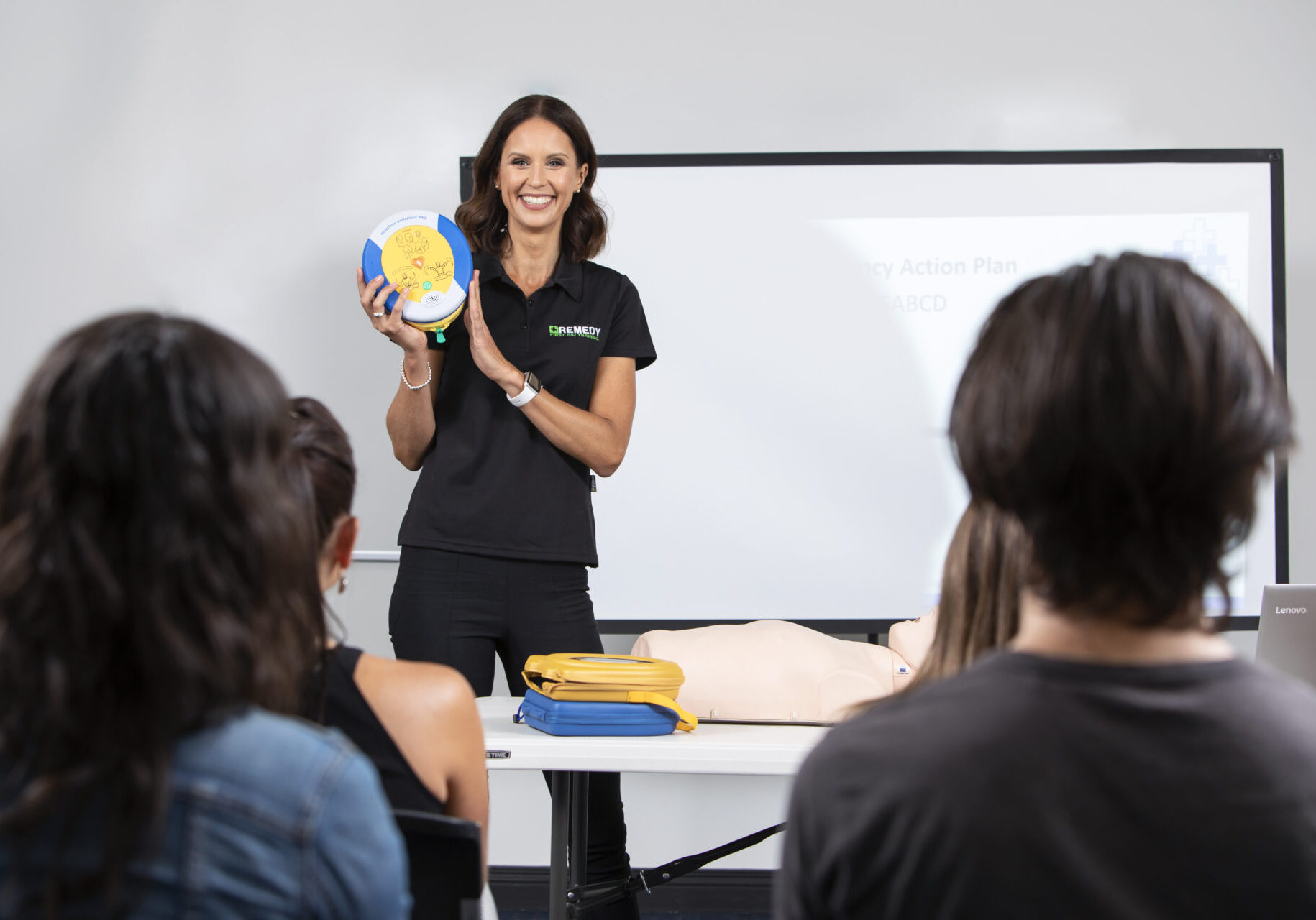
Physical accidents happen, even in the safest environments. When someone suffers a cut, burn, or cardiac arrest, immediate action saves lives. Basic first aid and CPR training empower your employees to step up during a crisis. Knowing how to stop bleeding or perform chest compressions gives your staff confidence. This confidence translates to a calmer, safer workplace where everyone knows someone has their back.
The Power of Mental Health First Aid
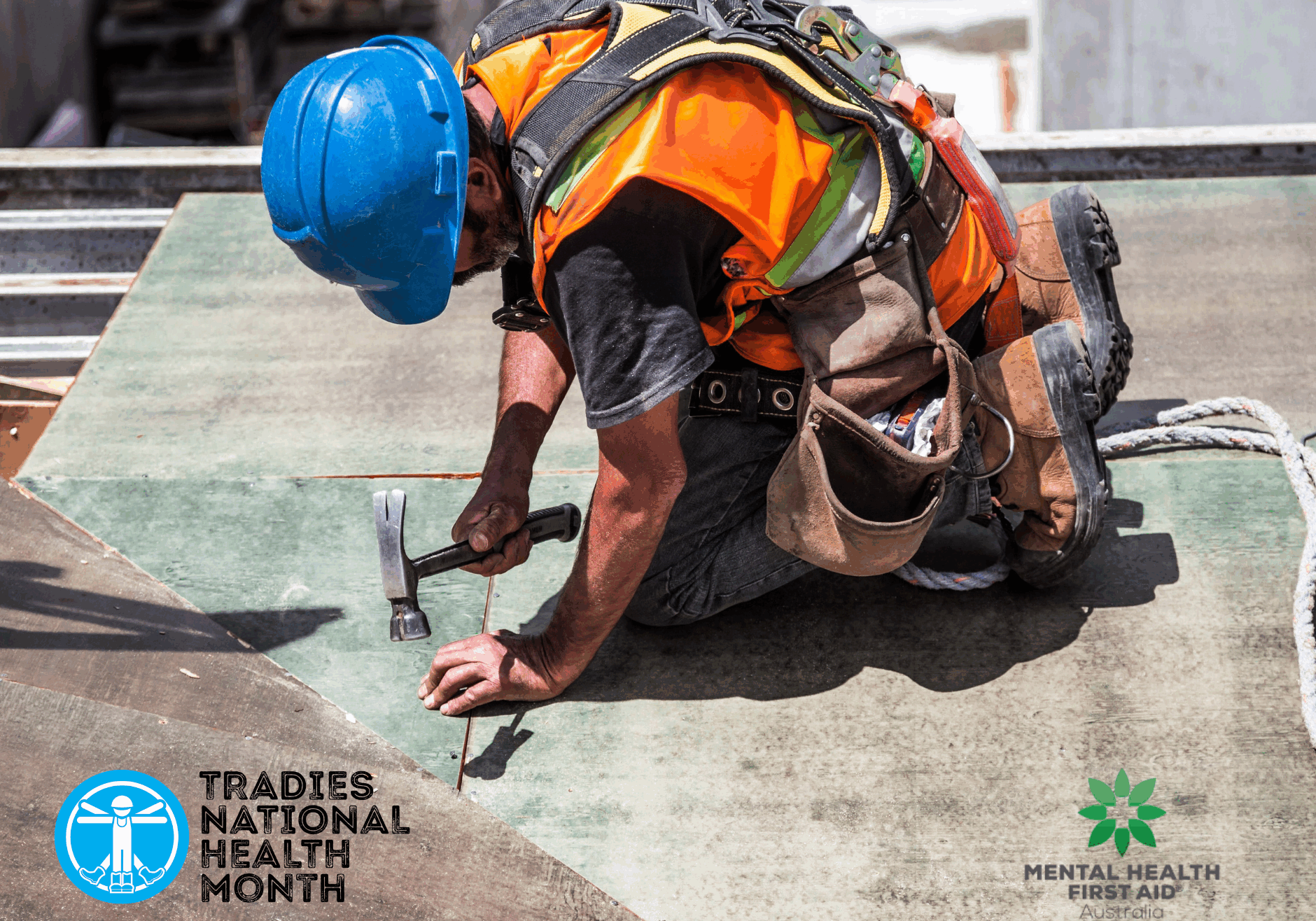
Mental health emergencies require just as much urgency as physical ones. However, the signs of a panic attack, severe depression, or acute stress are often harder to read. Mental health first aid training teaches your team how to identify these warning signs.
Employees learn how to approach a colleague who might be struggling. They learn how to listen without judgment and guide the person toward professional help. Offering this training removes the stigma surrounding mental health. It shows your staff that you care about their holistic wellbeing.
Taking Action with Remedy First Aid Training
Building a safe, supportive culture requires expert guidance – and ongoing support. You need training programs that are engaging, informative, and tailored to your specific workplace needs.
Remedy First Aid Training provides exactly that, going beyond just delivering courses. We are a trusted provider of comprehensive safety education, offering onsite workplace training in First Aid, CPR, and Mental Health First Aid (MHFA). As ex-first responders, nurses, and health & safety practitioners, our team of expert instructors deliver practical, hands-on training that prepares your team for real-world scenarios.
Alongside our MHFA Training, we offer our MHFA Support Program: a unique initiative designed to help organisations embed and maintain positive mental health intitiatives within company culture after training is completed.
By partnering with Remedy First Aid Training, you do more than just check a compliance box. You actively invest in the lives and livelihoods of your employees. You build a culture of care where everyone feels protected, both physically and psychologically.
Next Steps for a Safer Workplace
As we approach World Day for Safety & Health at Work, take a hard look at your current safety protocols. A healthy psychosocial working environment does not happen by accident. It requires intentional effort, open communication, and the right preparation.
Start by assessing your workplace hazards today. Talk to your team, identify the risks, and put a plan in place to address them. Then, reach out to Remedy First Aid Training to schedule your next round of comprehensive safety education. Empower your team with the skills they need to protect themselves and each other; to be the difference between panic and action.
Contact Remedy First Aid Training
Explore Remedy’s Workplace Training
Further Reading
Expand your knowledge and stay informed with these trusted resources:
- International Labour Organization – World Day for Safety & Health at Work 2026
- Safe Work Australia
- Australian Institute of Health & Safety (AIHS)
- Stay up to date with industry expert conversations via Remedy First Aid Training on LinkedIn
FAQs
Creating a Healthy Psychosocial Working Environment